
Article source: Hearn Law Firm, MS
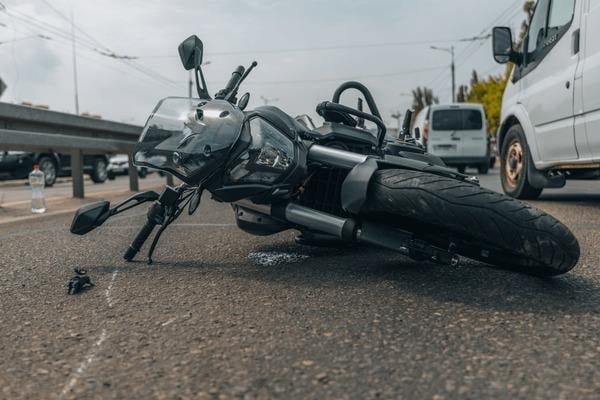
Jackson isn’t just the capital of Mississippi; it’s the biggest city in the state, sitting proudly along the Pearl River, with deep roots in history and culture. The Jackson metropolitan area is home to nearly 600,000 people and has a GDP of $30 billion, which is almost a third of the state’s total.
So, there’s a lot of traffic, a lot of intersections, and a lot of things that can go sideways in a heartbeat. Riding a motorcycle through Jackson, MS, can feel incredible. The wind is hitting your face, the freedom of two wheels instead of four. But honestly, it can also be dangerous.
Accidents aren’t just about one driver making a mistake; they involve road conditions, traffic signals, vehicle maintenance, and sometimes even other parties you wouldn’t immediately think of. That’s why if you’re dealing with motorcycle accident lawsuits in Jackson, MS, you need to understand the nitty-gritty of liability, because it can make or break your case.
How Liability Actually Works in Motorcycle Accidents
People think liability is simple: someone hits you; they pay. But that’s not how it works in Jackson or anywhere else in Mississippi, because this state has pure comparative negligence.
That basically means this: even if the other person is mostly at fault, the law will look at whether you did anything to contribute to the crash, even a little.
Drivers love using that against riders. A car doesn’t signal and cuts across your lane? They’ll still ask if you were too close. A driver opens their door without looking? They’ll ask if you were “going a bit fast.”
Someone turns left directly in front of your bike? Somehow, they’ll try to blame your jacket color, your lane position, your speed, or anything that shifts even one percent of the fault onto you.
This is the exact reason people file lawsuits, because the system doesn’t automatically protect riders the way many believe it should, and you need someone who understands the roads, local courts, insurance tricks, and the way these cases unfold in real time.
When the Other Driver Says “I Didn’t See You”
This is probably the most common sentence motorcycle riders hear after an accident, and it’s strange how the words fall so casually out of somebody’s mouth. But “I didn’t see you” doesn’t mean “you didn’t exist.” It means they weren’t paying attention, which is actually worse. But because people repeat it like it’s an excuse, it gets treated like one in conversations after the crash.
In legal terms, that phrase usually means the driver was distracted, not checking mirrors, not slowing down at an intersection, or not leaving enough space to account for smaller vehicles on the road.
Any lawyer who works on motorcycle cases knows how to break down that sentence until it stops being a shield and turns into evidence.
When the Road Is the Problem
Potholes, uneven pavement, and faded lane markings can turn a simple ride into a dangerous one. If poor road maintenance contributed to your crash, the city or another responsible party might be held liable. But those cases are harder, slower, and they often require a lot more evidence.
You’ll need a lot of photos, reports, expert evaluations, and much more, because you have to prove the road wasn’t just bad, but dangerous in a way the city should’ve fixed. And if you’ve lived here long enough, you know how tough that argument can be.
Still, it happens. And riders shouldn’t be blamed for the condition of the streets they’re forced to use.
Wrapping Up
- To prove liability, the law looks at whether you might have done anything that contributed, even a little.
- Drivers will always try to shift the blame to make it look like it’s partly your fault.
- When someone says that they didn’t see you, that’s actually strong evidence against them if handled correctly.
- Potholes, uneven pavement, or faded markings can make a crash happen, and the city or other parties can be held responsible.
- Motorcycle cases need a lawyer who gets Jackson’s streets, courts, and insurance games.
- A good lawyer knows how to turn excuses into evidence and protect riders from unfair blame.
- Don’t assume the system will automatically favor riders. Filing a case is the only way to make sure you’re not unfairly penalized.