KPMG’s escalating governance crisis is now exposing not only the firm’s leadership, but also the role of the law firms drawn into its internal investigations.
The resignation of KPMG Australia chairman Martin Sheppard, alongside two senior partners, follows a now-familiar pattern seen in major professional services scandals: initial denial, internal reviews, mounting external pressure, and ultimately leadership casualties.
One of the key questions is about how external counsel were engaged and what they were asked to investigate.
KPMG initially responded to whistleblower allegations of misuse of confidential client information with a predictable explanation, denying any wrongdoing and commissioning external legal reviews, engaging two separate law firms to assess the claims. Both reviews reportedly cleared the firm of misconduct.
But those findings have since come under scrutiny and therein lies the problem for the law firms.
At a Senate inquiry, Ashurst partner Jane Harvey distanced the firm from the core allegations, stating it had not been instructed to investigate the whistleblower’s claims directly. That distinction raises broader questions about the scope, independence and framing of law firm-led investigations in high-stakes corporate crises.
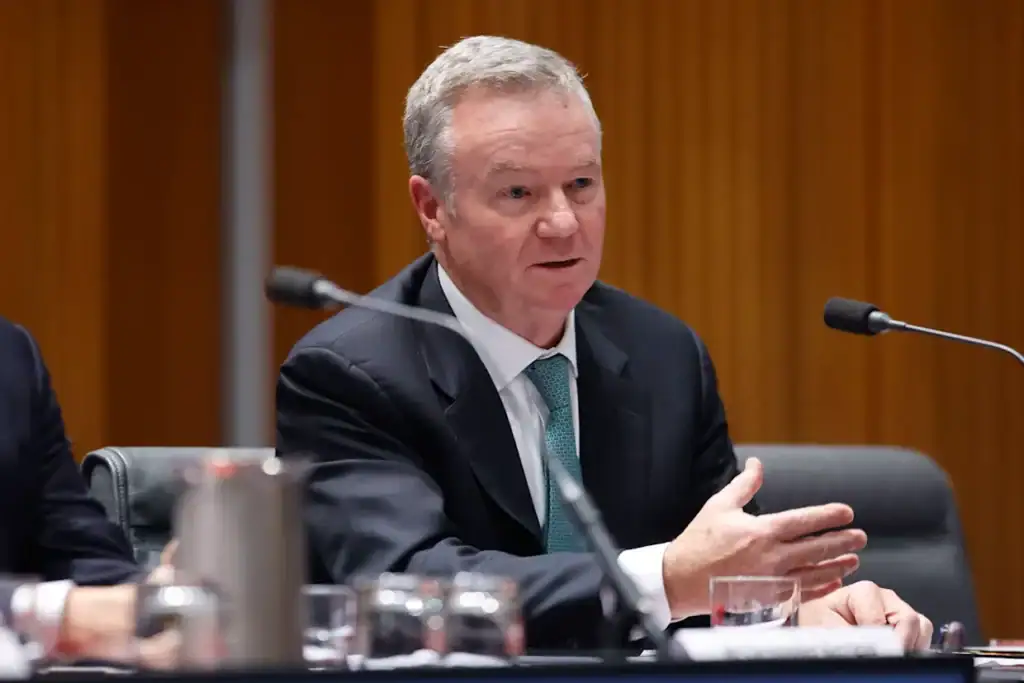
As the Australian Financial Review reported, the lawyer most closely linked to the audit leaks has been Ross Drinnan (pictured) of Allens.
“There’s no mistake that can’t be solved,” he said, “except a mistake that isn’t disclosed … The mistake that’s hidden is the mistake that actually festers and becomes a bigger problem, and I was taught that early on,” the AFR reported.
Allens and Ashursts are the firms most closely associated with KPMG and both firms remain adamant that their lawyers act in accordance with their professional obligations, which include independence and confidentiality.
“Lawyers have a paramount duty to the court and to the administration of justice,” said a spokeswoman for Allens. “We have full confidence in our work and strongly reject any suggestion that we have not undertaken it in accordance with all our professional duties and obligations.”
External Pressures
As the scandal gained traction, external pressure from government, clients and media has forced a shift in KPMG’s position.
Senior leadership changes followed, including the earlier exits of the chief executive and audit head, but these measures did little to stem the fallout.
The Senate hearings marked a turning point. Testimony from the whistleblower, coupled with political scrutiny led by Labor senator Deborah O’Neill, intensified focus on KPMG’s internal culture and its handling of confidential client data.
For law firms, the episode highlights a recurring reputational risk by being associated with internal investigations that later appear incomplete or narrowly scoped.
The whistleblower has alleged that KPMG moved swiftly to discredit and dismiss him after he raised concerns, and has since said the personal toll would deter him from going public again. That claim underscores the ongoing legal and ethical tensions surrounding whistleblower protections and corporate accountability.
Engagement terms for law firms, investigative scope, and independence are no longer mere procedural details but are central to credibility. In an era of heightened regulatory and political scrutiny, legal advisers are increasingly part of the story, not just behind it.
KPMG’s crisis is still unfolding, but one conclusion is already evident that when internal investigations fail to satisfy external stakeholders, the consequences extend well beyond the client, being also to the lawyers tasked with defending them.