
Article source: Drafahl Law Firm
St. Louis, Missouri, is a vibrant city known for its rich history, bustling business districts, and thriving healthcare community. With busy highways, active construction, and numerous recreational activities, accidents that cause brain injuries can happen in both urban and suburban areas.
When a traumatic brain injury occurs due to someone else’s negligence, understanding what evidence and documentation are necessary is critical. Consulting an experienced St. Louis brain injury attorney can help victims gather the proper medical records and build a strong case for compensation.
Brain injuries can vary widely in severity, from mild concussions to severe traumatic brain injuries (TBI) that result in long-term cognitive or physical impairments. In legal cases, proving the extent of the injury is essential to secure damages for medical expenses, lost income, pain and suffering, and other losses.
The Importance of Medical Records
Medical records are the backbone of any brain injury lawsuit. They provide objective evidence of the injury, the treatment required, and the long-term impact on the victim’s life. Courts rely heavily on these records to establish the connection between the accident and the injury.
Key Medical Records Needed
- Emergency Room and Hospital Records
Immediate documentation following the accident is crucial. Emergency room records typically include details about the initial diagnosis, vital signs, imaging tests, and any procedures performed. These records help establish the severity of the injury at the time it occurred. - Imaging and Diagnostic Reports
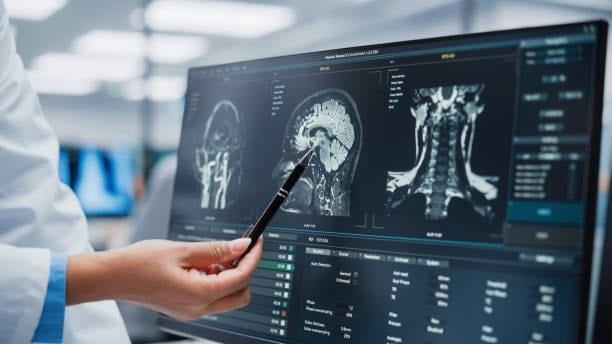
Brain injuries often require imaging studies such as CT scans, MRIs, or X-rays. These tests provide objective evidence of structural damage, bleeding, swelling, or other abnormalities. Including the actual images or radiologist reports can strengthen the case. - Neurological Evaluations
Neurologists assess brain function and can document cognitive deficits, memory loss, motor skill impairments, and other neurological issues. These evaluations are critical for demonstrating the impact of the injury on daily life and long-term prognosis. - Treatment Records
Records from ongoing treatment, including rehabilitation, physical therapy, occupational therapy, or speech therapy, show the level of care required for recovery. They also help calculate the costs associated with medical care over time. - Psychological or Psychiatric Evaluations
Traumatic brain injuries often lead to emotional or behavioral changes, including depression, anxiety, or personality shifts. Mental health evaluations provide supporting evidence of the injury’s broader effects on the victim’s life. - Medication Records
Documentation of prescribed medications, dosage changes, and their purposes demonstrates the medical necessity and ongoing treatment for brain injury-related symptoms.
Additional Evidence Needed
In addition to medical records, other types of evidence can strengthen a brain injury claim:
- Accident Reports: Police or incident reports detail how the accident occurred and may indicate negligence.
- Witness Statements: Testimonies from people who saw the accident or observed changes in the victim afterward.
- Employment Records: Evidence of lost wages, reduced earning capacity, or missed work due to the injury.
- Daily Life Impact Documentation: Notes from caregivers or personal journals showing difficulties in performing daily activities, maintaining relationships, or engaging in hobbies.
Working with a St. Louis Brain Injury Attorney
An experienced brain injury attorney can help organize medical records and evidence, consult with medical experts, and determine which documents are most critical for your case. Attorneys also ensure that deadlines are met for filing claims and that evidence is presented clearly to maximize potential compensation.
Brain injury cases can be complex because symptoms may develop over time. Even if the injury seems mild initially, long-term cognitive or physical impairments may still entitle a victim to compensation. Legal guidance ensures that no important documentation is overlooked.
Tips for Gathering and Preserving Evidence
- Keep copies of all medical records, test results, and bills.
- Maintain a journal of symptoms, doctor visits, and daily limitations.
- Follow all prescribed treatments and attend medical appointments consistently.
- Inform your attorney promptly about new symptoms or changes in your condition.
Key Takeaways
- Medical records are essential to prove the existence, severity, and impact of a brain injury.
- Key records include ER and hospital records, imaging reports, neurological evaluations, and ongoing treatment documentation.
- Mental health evaluations and medication records can demonstrate broader effects of the injury.
- Additional evidence, such as accident reports, witness statements, and employment documentation, supports the claim.
- Working with a St. Louis brain injury attorney ensures proper collection, organization, and presentation of evidence.
- Early and consistent documentation strengthens your case and maximizes potential compensation.