Two respected UK practices, including one involved in Prince Harry’s recent failed legal action, have hit the wall within days of each other, providing a warning about what happens when one case, or one rainmaker, carries the whole firm.
A glittering client list looks great on a website. As two UK firms have just discovered, it is not a business model.
London media boutique Thomson Heath Jenkins & Associates, the firm at the centre of Prince Harry’s failed privacy claim against Associated Newspapers, has ceased trading and called in insolvency practitioners. Its Fleet Street office has shut in what is understood to be an orderly closure.
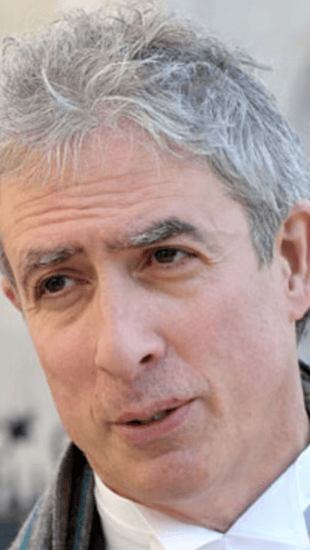
The firm was founded in 2009 by Mark Thomson (pictured) , a former Carter-Ruck partner and veteran of the phone-hacking cases.
It jointly instructed counsel for all seven claimants: the Duke of Sussex, Sir Elton John, David Furnish, Baroness Doreen Lawrence, Elizabeth Hurley, Sadie Frost and Sir Simon Hughes.
It did not end well. In July, after an 11-week trial, Mr Justice Nicklin dismissed every claim.
The court heard that Associated’s costs had reached around £34.5 million, against £16 million of after-the-event insurance on the claimants’ side. It later awarded Associated costs on the indemnity basis.
The firm reportedly ran the case on a no win, no fee basis. Adverse costs land on the claimants and their insurers, not the firm. But a loss on a conditional fee means years of work on a marquee case that will never be paid. The firm has not publicly explained its insolvency.
Two days before that news broke, on 20 October, Rahman Ravelli appointed administrators from BTG Advisory.

Aziz Rahman (pictured left) founded the firm in 2001 and built it into a major white-collar crime, fraud and commercial litigation practice, with offices in London and Halifax. Partner Syed Rahman has since joined Keystone Law.
No reason for Rahman Ravelli’s administration has been given. Firms obviously fail for different reaons, but is there a common thread here?
A Common Thread
The common thread that does exist with the firms is that both firms shared specialised work in litigation, which pays well when the fees are paid but until they’re paid it can eat both partner time and working capital. Cash flow issues can arise when a settlement slips or a departing fee-earner leaves.
In July, the SRA published guidance and opened a consultation on firms using third-party litigation funding for consumer claims, warning firms of risks to firm stability and proposed that some of those firms keep a plan for an orderly closure.
That regime targets volume claims, rather than boutiques but the issues relate to anyone, particularly when things go wrong.
For instance UK consumer-claims firm SSB Law went into administration in January 2024 owing around £200 million to litigation funders. Its cavity-wall claims had stalled, and its costs were built for volumes that never came.
Rahman Ravelli’s story is still unclear, but the question for every litigation-led firm should be able to answer this without a long pause is what happens when the biggest case fails, the top rainmaker walks, or the fees simply don’t arrive?
The fact is thatwinning prestigious jobs is one thing, but building a business that survives losing them is quite another.