Sam Stubbs* – The FMA this week released its report into active and passive management styles, which found that there was no clear correlation between passive management and lower fees – and that fees had not dropped to the extent that would be expected.
“While investment management fees have declined globally, and economies of scale for the larger KiwiSaver providers have grown considerably, these lower input costs have not resulted in systemically lower fees to KiwiSaver investors,” the FMA said.
“We would have expected to have seen fee levels decline further than they have given the fall in input costs. Overall, our results suggest that value for money in some KiwiSaver products is not as high as it could be. With greater competition and scrutiny, we would expect over time to see fees more closely aligned to the investment strategy, and lower KiwiSaver fees overall.”
Stubbs said providers would continue to opt for the “easy way out” on fees unless the FMA was able to force them.
Taking a provider to court over their fees would send a clear message that “willful ignorance was not a viable business strategy going forward”, he said.
He said the report discredited the argument that fees were high because providers were adding value.
“It’s not true that active management costs that much. Ninety per cent of the cost is stuff you have to do regardless of your management style.”
He said regulating fees would be difficult but taking a case to court would mean that a benchmark for what was “unreasonable” would be set – rather than relying on the regulator to determine what was reasonable.
“There are some insane fees out there.”
He said the FMA had the ability and obligation to make sure that fees were reasonable.
It would become more pressing an issue if returns suffered in the years ahead, he said.
FMA spokesman Andrew Park said the report raised important questions but there was not yet sufficient information to conclude there were conduct issues.
“We are following up with those providers where the claims of active management style are not matched by the activity delivered, and where the fees are not aligned with the level of active management revealed in the report. Where we do find misleading behaviour we will take action, which may include – but is not limited to – requiring corrections in disclosure materials.”
First published on GoodReturns.co.nz
Author Bio

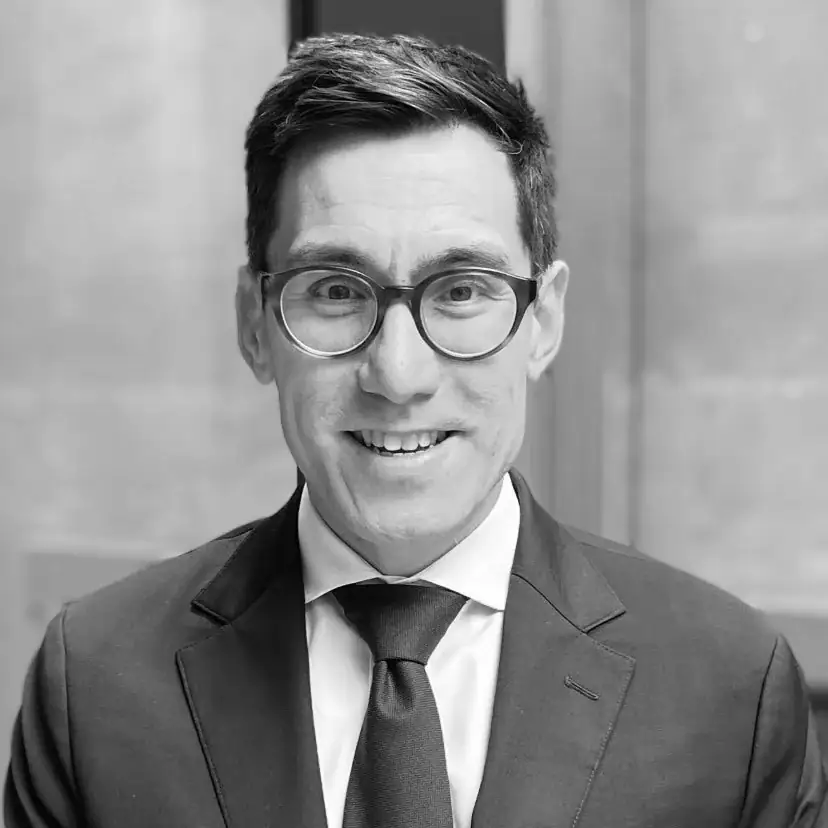
Sam Stubbs is managing director of online KiwiSaver company Simplicity. He was most recently the CEO Of Tower Investments. Before that he was Managing Director of Hanover Group, and spend 10 years working for Goldman Sachs in London and Hong Kong.
[adrotate banner=”100″]
- The Gentlemen in the Life of Meghan Markle


- Disputes Firm Lindsay Francis Mangan Adds Name to the Letterhead

- New NZ Court Guidelines: “Sir” and “Ma’am” Are Being Phased Out – Here’s Everything Lawyers Must Know

- Bishop to Judicial Pawns – Your Move

- Mowbray’s Countdown Statements Would Have Breached Fair Trading Law — But for a Time Bar

- Kiwi LegalTech Firm Opens Funding Round For US & UK Growth

- “A National Embarrassment”: Deborah Chambers Slams NZ’s 14-Year Kim Dotcom Extradition Farce