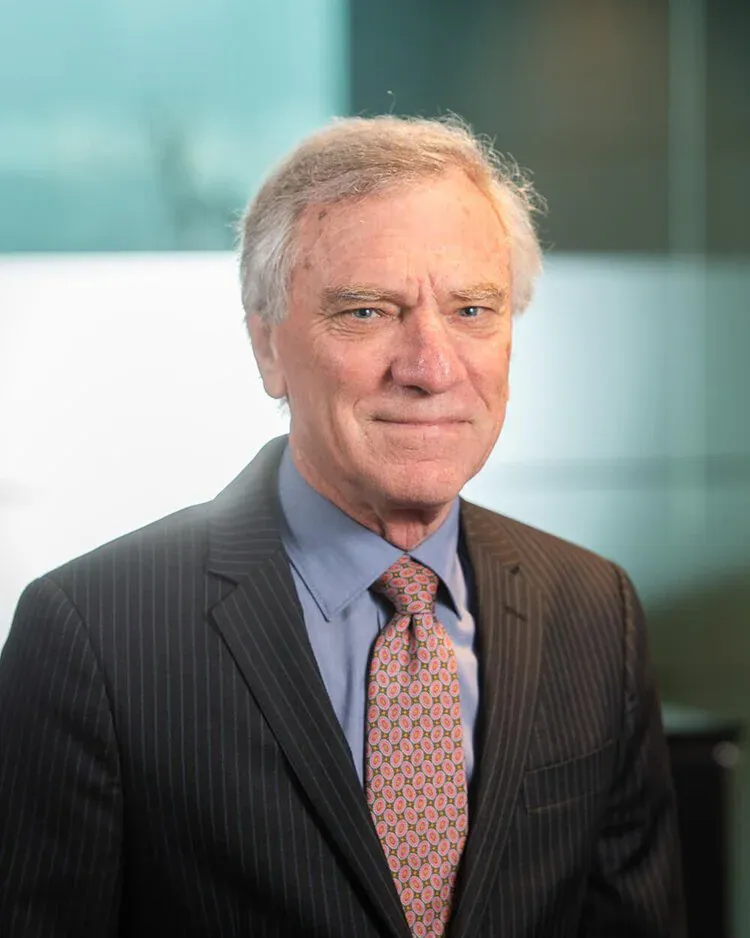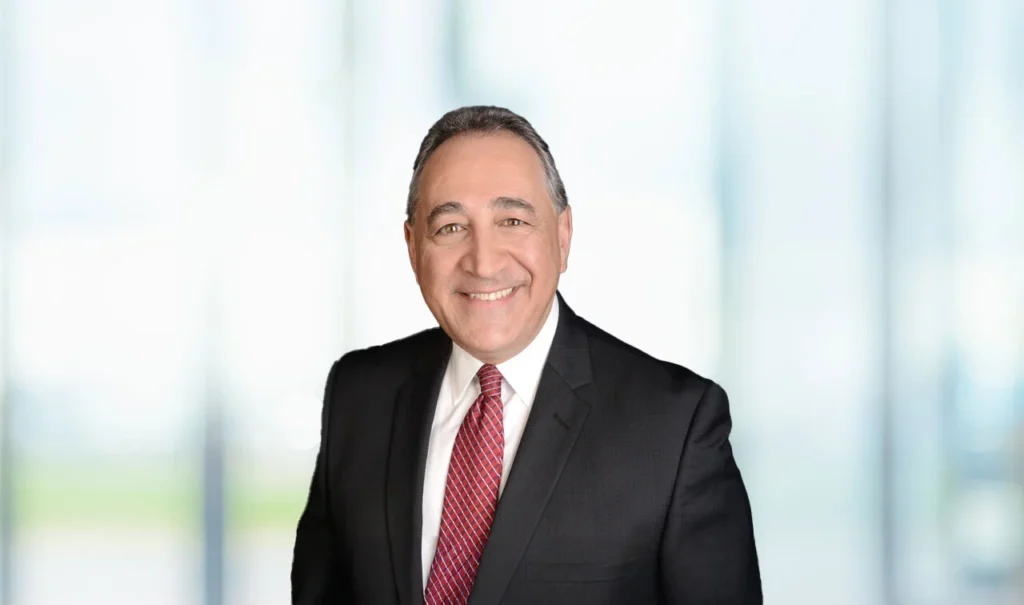
Global law firm Norton Rose Fulbright announced today the election of Gerry Pecht as Global Chief Executive of Norton Rose Fulbright, effective January 1, 2021. Gerry Pecht will succeed Peter Martyr, who has led Norton Rose and then Norton Rose Fulbright since 2002.
Currently Norton Rose Fulbright’s Global Head of Dispute Resolution and Litigation, Gerry Pecht commented:
“I am proud and honored to be elected Norton Rose Fulbright’s Global Chief Executive. Over the past ten years, we have built a global platform with exceptional lawyers serving valued clients in virtually every major business center. The quality of our people around the world enables us to collaborate on a truly global level. I look forward to building on our platform and taking our firm to the next phase of its evolution. As Global Chief Executive, I will promote our firm’s unity and strategic alignment, emphasize our client service focus, utilize our technological and innovative advantages and optimize our financial performance.”
“I will also place a priority on social engagement. Lawyers play a special role in society, and our firm must use its influence to fight racism, sexism and social injustice. Diversity and inclusion is a key focus for our firm and a cause I will continue to champion.”
“On behalf of the global business, I would like to thank Peter Martyr for the outstanding contribution he has made to the firm as its first Global Chief Executive, and I am committed to continuing to build on the foundations laid by Peter.”
Peter Martyr, Norton Rose Fulbright’s Global Chief Executive, added:
“Gerry is a highly experienced business leader, with whom I have worked closely over the past eight years. Gerry is a US lawyer with a global personal and professional background, making him well equipped to drive the firm’s global business transformation strategy. The firm is in good hands, and I am certain it will flourish under his leadership.”
Gerry has been a member of the firm’s Global Executive Committee since 2013 and has served as Global Head of Dispute Resolution and Litigation since 2014. He joined our Houston office in 1980 and was named a partner in 1987.
Regularly representing publicly traded companies located both within and outside the US and their officers and directors, Gerry built a commercial litigation practice focused on securities litigation and enforcement, energy litigation, internal corporate investigations, international litigation and arbitration. Both Chambers USA and The Legal 500 United States have recognized Gerry for his work in securities litigation.
More News from LawFuel
- Anthropic’s Legal AI Plugin Triggers ‘SaaSpocalypse’ — $50B Wiped from Legal Tech Stocks
Anthropic’s Legal AI Plugin Exposes the Vulnerability of the Legal Tech Emperor’s Wardrobe The legal software establishment just experienced its worst… Read more: Anthropic’s Legal AI Plugin Triggers ‘SaaSpocalypse’ — $50B Wiped from Legal Tech Stocks - Legal AI’s First Reality Check: What the Claude Shock Means for Law Firms
AI-driven software stocks have slumped as investors suddenly re-price the risks and disruption posed by legal-focused models like Anthropic’s Claude. But for law firms, this is a reset, not a retreat, in the legal AI market. The money is shifting from “AI at any price” to “AI that can survive the coming copyright and compliance storm”—and that is clearly where serious firms should now be focusing. What Actually Happened in Markets The numbers are staggering. On 3 February 2026, a Goldman Sachs basket of US software stocks sank 6% in a single session—its biggest one-day decline since April’s tariff-fueled selloff. A parallel index of financial services firms tumbled almost 7%. The Nasdaq 100 Index fell as much as 2.4%. The trigger? Anthropic released new AI automation capabilities targeting legal, sales, marketing, and data analytics—sectors previously thought insulated from AI disruption. The carnage was immediate and global: - Why Was Jeffrey Epstein Trying to Get BigLaw’s Brad Karp Into Augusta National?
The Augusta Connection: Why Did Jeffrey Epstein Want to Get Brad Karp Into America’s Most Exclusive Golf Club? When a convicted… Read more: Why Was Jeffrey Epstein Trying to Get BigLaw’s Brad Karp Into Augusta National? - BigLaw Pay – Taylor Wessing’s Top Rainmaker Banks the Legal Equivalent of a Premier League Salary
Taylor Wessing’s highest-earning partner managed to haul in a whopping £200,000 a week in the latest financial year — that’s roughly the same as a Premier League striker on a good bonus season. It highlights just how ludicrous top-end pay has become in London’s legal market. According to Law Society Gazette, the top-paid LLP member at Taylor Wessing managed to net that £200k-a-week haul as profits were dished out across the partnership. That kind of pay packet makes even the notorious Cravath scale seem almost modest. Sure, mid-market firms can cry “but we’re all about work-life balance,” but when your top partner’s annual take amounts to north of £10m, it’s hard not to feel the sting of disparity. - California Draws a Line on Legal AI And Lawyers Need to Pay Attention
For years, lawyers have been quietly experimenting with generative AI while publicly pretending it was all very theoretical. That luxury just expired however has expired as the California passes a first-of-its kind bill that will doubtless be replicated in other jurisdictions. The California Senate has passed SB 574 aimed squarely at how lawyers use artificial intelligence in legal practice. If it becomes law, California will be the first major jurisdiction to formally regulate AI use by lawyers, not with vague principles, but with obligations that cut straight to competence, ethics, and liability. In short: lawyers can use AI, but they own the consequences. And that’s something many will find daunting given the hallucinations and legal repercussions of legal AI’s misuse.