The Augusta Connection: Why Did Jeffrey Epstein Want to Get Brad Karp Into America’s Most Exclusive Golf Club?
When a convicted sex offender tries to work “magic” to get you into Augusta National, maybe ask yourself what you’re paying for that membership with. For Paul Weiss Chairman Brad Karp that is a question worth asking.
Ben Thomson LawFuel contributing editor
The latest Department of Justice document dump – all 3 million pages of it – has given us yet another masterclass in how the ultra-wealthy operate in America. And this time, the curriculum includes a fascinating case study in influence peddling, favor-trading, and the kind of social networking that would make LinkedIn blush.
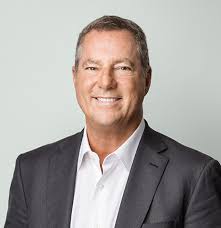
At the center of this particular lesson sits Brad Karp, (pictured) chairman of one of the country’s most prestigious law firms Paul, Weiss, Rifkind, Wharton & Garrison, whose relationship with Jeffrey Epstein has turned out to be considerably warmer than the “we were adverse parties” narrative his firm has been pushing.
How warm? Warm enough that in April 2019, just three months before Epstein’s arrest on federal child sex trafficking charges, the convicted pedophile was texting Steve Bannon trying to secure Karp a membership to Augusta National Golf Club.
“Need to work magic to get brad Karp admitted to augusta golf club,” Epstein texted.
Let that sink in for a moment. A registered sex offender, who had already served time for procuring a child for prostitution, was pulling strings with a former White House strategist to get one of BigLaw’s most powerful figures into golf’s most exclusive sanctuary.
The Augusta Question: Why Would Epstein Care?
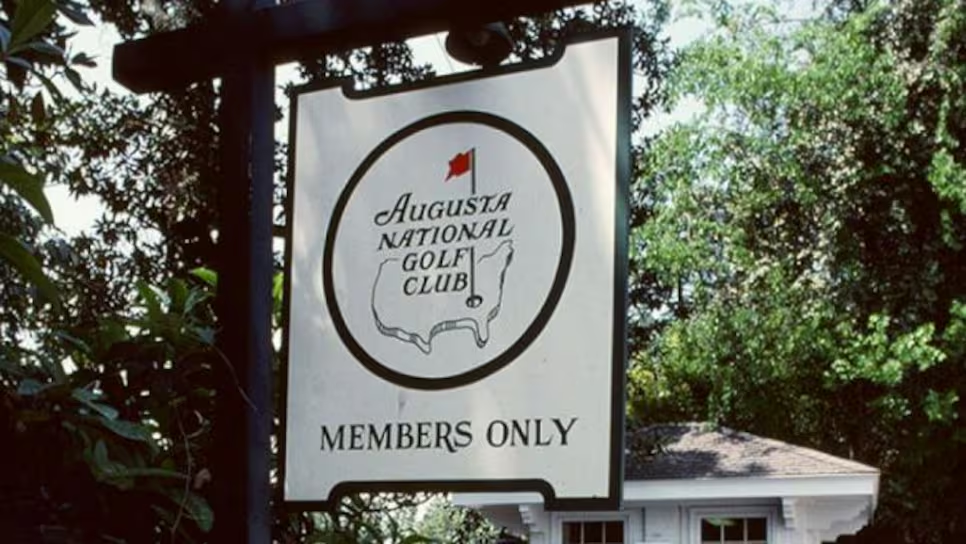
Augusta National isn’t your average country club where you fill out an application and flash your AmEx Black card. There is no application process. Membership is strictly invitation-only, limited to roughly 300 people at any given time, and the club’s defining characteristic is its fanatical secrecy. Members aren’t even permitted to discuss the club publicly.
The initiation fee is relatively modest by elite standards—estimated around $40,000, with annual dues in the low thousands. Augusta isn’t about money, of course. It’s about connections, power, and being deemed worthy by the right people. Members include Warren Buffett, Bill Gates, and Condoleezza Rice. The average member age skews old; the average net worth skews astronomical.
So why would Epstein invest his social capital, and rope in Bannon, to help Karp gain admission?
The answer reveals everything about how Epstein operated. The documents paint a picture of a man whose entire identity, as a psychiatric evaluation after his death noted, was based on “wealth, power, and association with other high profile individuals.” Despite cultivating an enormous social network, Epstein had “limited significant or deep interpersonal ties.” He was, in essence, a man who collected powerful people the way others collect art or vintage cars.
Getting Karp into Augusta would have been another favor in the bank, another thread in the web of mutual obligation that Epstein spent decades spinning. It would cement Karp’s gratitude and deepen the relationship beyond the professional pretense of representing Leon Black in fee disputes.
Bannon’s response to Epstein’s request was telling. After Epstein made a crude joke about Karp being Jewish, Bannon reportedly said there was no chance of Karp being admitted. Whether this reflected Augusta’s historical demographics (the club didn’t admit its first African-American member until 1990, or its first women until 2012) or simply Bannon’s assessment of Karp’s chances remains unclear.
What is clear is that Karp’s name was being dropped in text messages between two men, Epstein and Bannon, who themselves had an extensive and troubling relationship documented in the same file dump.
The Fawning Emails: A Study in Ingratiation
The Augusta gambit wasn’t an isolated incident. The DOJ files reveal a pattern of Karp and Epstein corresponding with a warmth that sits awkwardly beside Paul, Weiss’s official position that they were merely “adverse” parties.
In July 2015, after what appears to have been a dinner at Epstein’s infamous Manhattan townhouse, the same residence where Epstein would host the likes of Woody Allen and where his crimes were allegedly planned, Karp sent an email that reads like a thank-you note from a debutante to a finishing school headmistress.
“I can’t thank you enough for including me in an evening I’ll never forget,” Karp wrote. “It was truly ‘once in a lifetime’ in every way, though I hope to be invited again. You are an extraordinary host—and your home . . .!!!”
Multiple exclamation points. For Jeffrey Epstein’s hosting abilities. In 2015. After Epstein had already served time.
Epstein’s response was equally revealing: “There are many many nights of unique talents. You will be invited often.”
“You’re amazing . . . and thank you!” Karp replied.
The Woody Allen Connection
Perhaps the most uncomfortable thread running through these documents is the repeated appearance of filmmaker Woody Allen, who has himself faced serious allegations of sexual abuse (which he denies). Allen appears to have served as social connective tissue between Karp and Epstein.
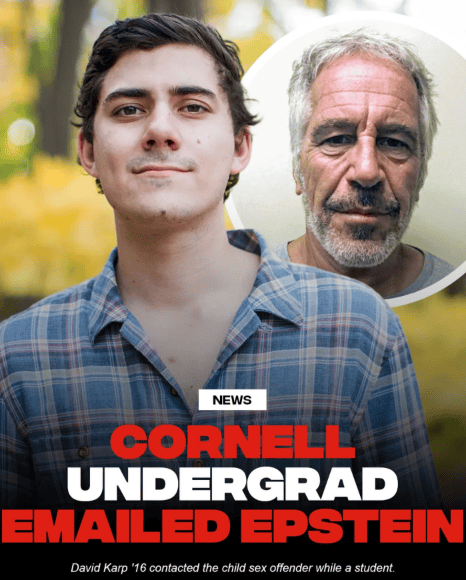
Epstein’s assistant arranged for Karp and his children to attend a small Woody Allen film screening in 2014. The documents show Karp repeatedly asking Epstein to help his son David Karp a job on an Allen production the son would work for free, Karp offered. Additional screenings were arranged in 2016 and 2018 and Karp Jnr had his own email correspondence with Epstein while a Cornell undergraduate, a matter that received its own publicity, as per the Instagram post below.
A 2015 email appears to reference a dinner with both Allen and Karp at Epstein’s residence. That two powerful men would coordinate their social calendars around a third man who would later be convicted of child sex trafficking—and do so after that man had already served time for sex crimes involving minors—tells you everything about how insulated these circles are from normal standards of judgment.
The Favor Economy
The Epstein files reveal other troubling exchanges. In July 2015, Epstein asked Karp about revoking a woman’s visa—”Is it possible for your contacts to 1 get her current visa status? 2. Is there a way, for us to file something that would revoke a tourist visa.”
Karp’s response: “Both good ideas; will work on this.”
The pair later discussed deportation strategies and surveillance of an unnamed woman in London connected to alleged extortion of Leon Black. “We can follow up on the prostitution front, but we haven’t found any evidence yet,” Karp wrote in one exchange.
In February 2019, when New England Patriots owner Robert Kraft got ensnared in a Florida prostitution probe, Epstein emailed Karp: “If your buddy Kraft, needs local palm rep. let me know.”
Karp’s reply: “I’m sure he will need the best there is.”
Thirty minutes later, Karp followed up: “just called and needs immediate help…Who’s the best lawyer you can think of to help.”
The Walking Away
Since these revelations emerged, Karp has faced immediate professional consequences. He withdrew from a scheduled speaking engagement, and the hashtag of regrets is spreading through the legal community.
Paul, Weiss issued a statement noting that Karp “never witnessed or participated in any misconduct.” The firm maintains it was always adverse to Epstein and never represented him, regretting his interactions with Epstein.
But the documents tell a more nuanced story. They show a relationship that transcended professional necessity, marked by social engagements, family favors, and the kind of effusive personal correspondence that suggests something more than litigation posturing.
The Real Lesson
The Brad Karp-Jeffrey Epstein correspondence is, in many ways, a microcosm of how power protects itself in America. A convicted sex offender retains access to elite social circles, can broker introductions and memberships, can arrange jobs for the children of powerful lawyers, and can serve as a nexus point for influence that spans from Wall Street to Palm Beach to Augusta, Georgia.
The Augusta membership gambit failed. But the fact that it was attempted, and that Epstein felt comfortable enough to try, and connected enough to think he might succeed, says everything about the kind of social capital Epstein had accumulated and the kind of quid pro quo relationships that define life at the top.
Epstein’s entire operation, as the files increasingly reveal, wasn’t just about his own predatory behavior. It was about creating a network of favors, obligations, and compromising associations that made powerful people hesitant to look too closely at what he was doing. Every dinner invitation, every job arranged, every golf membership pursued was another insurance policy.
The members of Augusta National, famously, are forbidden from discussing the club. Maybe that’s why Epstein thought it was the perfect favor to offer. In his world, silence was the most valuable currency of all.
The Department of Justice released more than 3 million pages of documents related to Jeffrey Epstein as required by the Epstein Files Transparency Act. Brad Karp remains chairman of Paul, Weiss. He has expressed “regrets” over his interactions with Epstein.