BigLaw • Analysis
The Karp Collapse: David Lat Dissects the Emails That Ended an Era at Paul Weiss
Five takeaways from Brad Karp’s Epstein correspondence—and what BigLaw should learn from this masterclass in how not to manage a client relationship
By LawFuel Staff • February 16, 2026
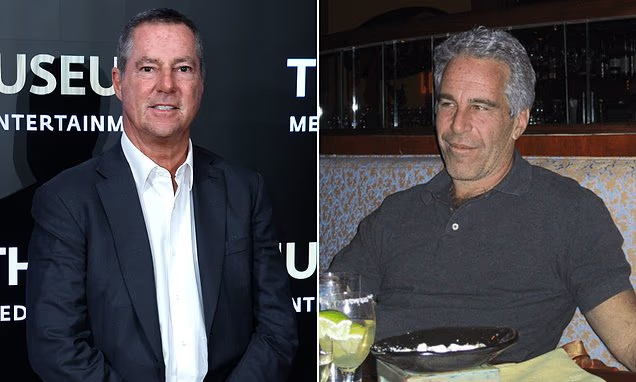
When the DOJ released millions of Jeffrey Epstein documents last month, we all knew casualties would follow. But Brad Karp? The man who shepherded Paul Weiss through the 2008 financial crisis, built it into a $2.6 billion behemoth, and just last year stared down a Trump executive order? That particular domino, frankly, was a surprise.
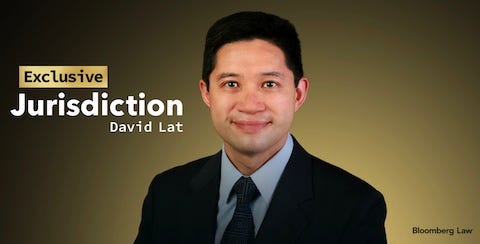
Enter David Lat, the legal world’s most dogged chronicler of BigLaw’s triumphs and catastrophes. The founder of Original Jurisdiction (and veteran of Above the Law) has done what few have the patience or stomach for: he trawled through more than 1,700 Epstein-Karp documents on the DOJ’s notoriously crash-prone website.
The result is a forensic dissection that every BigLaw partner should read—preferably before their next client dinner invitation arrives from someone with a private island.
Lat’s analysis is thorough, fair-minded, and refreshingly candid about his own biases (he likes Karp, and says so). It’s also essential reading for anyone trying to understand how a brilliant lawyer can lose sight of where client service ends and complicity begins.
Here, with editorial commentary, are Lat’s five key takeaways from the Karp-Epstein correspondence.
Takeaway #1: Brad Karp Is a Workaholic
The emails confirm what anyone who’s encountered Karp already suspected: the man operates at a pace that would hospitalise most mortals. The scheduling conflicts cited in his Epstein correspondence read like a stress test: telephonic court arguments, DOJ meetings, NFL owner presentations, Citigroup board sessions—often in the same week. In one email, Karp mentioned working “20 hour days/nights” while suffering a 104-degree fever.
LawFuel observation: There’s a reason Karp suffered a heart attack last year. When your life hack for productivity is “sleep less and work until you’re medically compromised,” perhaps stepping back from the chairmanship—for whatever reason—isn’t entirely bad news.
Takeaway #2: It Was Always About Leon Black

This is crucial context often missing from the headlines. Karp didn’t befriend Epstein for the pleasure of his company. Paul Weiss was retained by Leon Black, then-CEO of Apollo Global Management, the firm’s single largest client, to negotiate fee disputes with Epstein. The firm was technically adverse to Epstein. Karp’s mission, driven by corporate partners who depended on Apollo’s deal flow, was simple: keep Leon Black happy at all costs.
LawFuel observation: When your biggest client pays $158 million to a man for “tax and estate planning services,” you might want to ask some questions. But when that client generates enough work that you’ve essentially built a firm-within-a-firm to service them, those questions apparently become harder to ask.
Takeaway #3: The Relationship Was Lopsided—Epstein Was the Eager One
Lat’s document review reveals a dynamic that cuts against the “Karp was Epstein’s buddy” narrative. Epstein initiated far more emails than Karp. Karp declined more invitations than he accepted—often citing work conflicts or illness (prompting Epstein to send him Vicks VapoRub recommendations). Karp never visited Epstein’s island. Epstein repeatedly tried to introduce Karp to Steve Bannon; it never happened. Epstein apparently tried to get Karp into Augusta National—unsolicited.
LawFuel observation: The picture Lat paints is of two men each trying to charm the other for strategic advantage—Karp to serve his client, Epstein to gain leverage in fee negotiations. The problem is that when one of those men is Jeffrey Epstein, even strategic charm looks terrible in hindsight.
Takeaway #4: Karp Was a Talented Litigator—But Also Willing to Be a “Fixer”
Most of Karp’s work was conventional litigation. But a percentage—Lat estimates five to ten percent—veered into crisis management territory. The emails show Karp and Epstein collaborating to find defence counsel for Robert Kraft after his solicitation arrest.
More troublingly, they show the two men coordinating on surveillance of a woman who allegedly had an affair with Leon Black and was accused of attempting to blackmail him. Private investigators from Nardello & Co. were involved. Karp reportedly called then-Manhattan DA Cyrus Vance about the matter in 2021.
LawFuel observation: “I’ll help my clients with anything,” former Hughes Hubbard chair Candace Beinecke once said at a BD panel—moderated, ironically, by Karp himself. There’s a reason Michael Clayton resonates with BigLaw audiences: everyone knows the “fixer” role exists. The question is where you draw the line. Surveilling your client’s mistress alongside Jeffrey Epstein? That’s probably past it.
Takeaway #5: Karp Lost Track of Who His Client Actually Was

This is the devastating takeaway. Karp’s client was Leon Black—who was adverse to Epstein. Yet by 2019, Karp was offering detailed feedback on Epstein’s legal filings, praising draft motions as “overwhelmingly persuasive,” using “our arguments” to describe Epstein’s position, and putting the word “victims” in scare quotes. He reportedly reached out to contacts at Citigroup and The New York Times on Epstein’s behalf (though Karp tells colleagues he never actually made those contacts—merely claimed he did to placate Epstein).
LawFuel observation: Whether Karp actually made those calls or merely said he did, neither option is good. One is potential misconduct; the other is lying to a known predator to keep him happy. The March 2019 email praising Epstein’s legal strategy against his victims—calling them “lied in wait” manipulators—is particularly damning. Karp could simply have said: “I’m not your lawyer.” He didn’t.
The Lesson for BigLaw
Lat concludes with characteristic understatement: “Good lawyers go the extra mile for clients—but great lawyers know where to stop.”
What makes this cautionary tale so potent is that Karp wasn’t some marginal figure. He was, by virtually every metric, at the pinnacle of the profession: chairman of an elite firm, trusted adviser to Fortune 500 companies, rainmaker with a book north of $300 million. He had been navigating high-stakes client relationships for four decades. If anyone should have known where to draw boundaries, it was him.
And yet the emails suggest a gradual erosion—a series of small accommodations that individually seemed like good client service but cumulatively amounted to something else entirely. Epstein, a master manipulator, exploited this. By the end, Karp was commenting on legal strategy for a man his firm was supposedly adverse to, putting victim-blaming language in writing, and either lying to Epstein about making calls on his behalf or actually making them.
The broader lesson extends beyond Karp. When your largest client generates enough revenue to distort your judgment—when keeping them happy becomes an institutional imperative—you’ve already invited the vampire in. The rest is just a matter of time.
Read David Lat’s Full Analysis
Lat’s original piece at Original Jurisdiction includes extensive footnotes with additional insider details available to paid subscribers. For the complete picture of the Karp-Epstein correspondence—and the forces that shaped Paul Weiss’s culture—it’s essential reading.
Karp remains a partner at Paul Weiss, where he’ll “continue to focus his full-time attention to client service.” Scott Barshay, the M&A dealmaker who reportedly never wanted the chairmanship, now leads the firm. Whether he can navigate the post-Epstein, post-Trump-settlement era remains to be seen.
One thing’s certain: somewhere in BigLaw right now, partners are reviewing their own email histories with a newfound sense of dread. The DOJ’s Epstein files aren’t done claiming casualties. And as David Lat has shown, hindsight is 20/20—but foresight is what separates the survivors from the cautionary tales.