Article source: Zehl & Associates, Injury and Accident Lawyers
When drivers ignore right-of-way laws, victims immediately suffer injuries and damages. They will need to file a lawsuit against the at-fault driver to recover compensation for damages like lost wages, medical costs, and PTSD (intangible).
Victims have to deal with insurance companies and their prolonged, unbearable negotiation process. A lawyer’s presence is paramount during the negotiation process.
Understanding right-of-way laws is crucial for a victim to know if they share fault in the accident or not. Even if you share a minimal fault, you can consult a lawyer to know how much compensation you may be entitled to.
What Are Right-of-Way Laws?
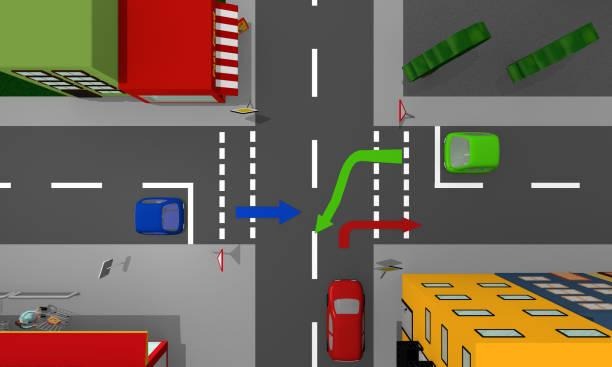
Right-of-way laws are designed to prevent collisions or accidents in intersections (controlled and uncontrolled), roundabouts, and crosswalks. These laws decide who gets to go first and who must stop or yield in traffic.
When someone refuses to follow these laws or makes a mistake, it leads to a crash.
The most common violations that lead to accidents include
- Turning left into the oncoming traffic without yielding
- Failing to yield to the first vehicle to arrive at a 4-way stop intersection
- Turning right on a red light without fully stopping to check for oncoming traffic
- Failing to allow pedestrians the right of way in crosswalks and intersections
- Merging into a highway or switching lanes without yielding to the existing traffic.
How Victims are Affected by Right-of-Way Accidents
Immediate Physical and Safety Consequences
Right-of-way law violations usually lead to T-bone collisions or sideway collisions and head-on crashes.
Pedestrians or cyclists are the most vulnerable in right-of-way accidents, and the injuries can be catastrophic. These serious injuries include broken bones, traumatic brain injury, spinal cord damage, and death.
The Victim Suffers Damages
Right after the accident, the victim doesn’t just deal with pain. They have to face the forthcoming economic damages that include medical costs, loss of earning capacity, lost wages, and property damages if their vehicle was involved.
Besides economic damages, victims go through intense mental wreckage. It’s common to experience PTSD (recurring reminders of the accident), depression, loss of enjoyment of life, anxiety, and loss of consortium.
Filing a Lawsuit Against the Negligent Driver
If a driver violates a right-of-way law and hits other vehicles or pedestrians, they are considered negligent, and they will become responsible for the damages that the accident caused.
Injured parties will file a lawsuit against the negligent driver to seek compensation for their damages. The driver’s insurance company will be responsible for covering the victim’s damages.
Dealing with the At-Fault Party’s Insurance
As if enduring the agony of physical and mental injuries were not enough, dealing with insurers can be a lot.
Even if the insurers seem friendly at first, they deploy shady tactics to lower your settlement. They often pressure you, reject some of your evidence as invalid, undermine your injuries, stall the whole insurance process, or even deny the claim.
If dealing with the insurance company becomes overwhelming, hire a personal injury lawyer who can negotiate with the insurers, ensure you don’t make any poor financial decisions, and secure you fair compensation in the end.
What Happens When the Fault Is Shared?
Most states follow comparative negligence. If you share a certain degree of responsibility for the accident, your compensation will be reduced by that degree of fault.
Depending on the state you’re in, comparative negligence is categorized into
- Pure comparative negligence: you can recover damages even if you’re 90% at fault, so you’ll recover 10% of the damages.
- Modified comparative negligence: you can only recover damages if the fault is below a certain threshold (typically 50% or 51%).
How to Prove the At-Fault Driver’s Fault
Strong evidence can clearly show a negligent driver’s actions prior to the accident and after the accident. Your evidence record should have
- Witness statements
- Surveillance footage
- Photos of the accident
- Police reports
- Thorough medical records
- Expert testimonies
Should You Consult a Car Accident Lawyer If You Were Injured by a Driver Who Didn’t Yield?
Absolutely yes.
- A lawyer knows what your legal options are.
- They gather evidence along with you.
- Establish clear liability to recover the maximum compensation possible.
Key Takeaways
- Right-of-way laws prevent collisions, and if someone violates them, accidents occur.
- Pedestrians are vulnerable in right-of-way accidents, and they suffer the most serious injuries.
- The victims have to file a lawsuit against the negligent driver to seek compensation for their economic and non-economic damages.
- A lawyer can negotiate with an insurance company to secure fair compensation, eliminating the need for the victim to put themselves in further agony.
- If the victim is responsible for the accident to some degree, they can still recover damages based on the comparative negligence rule.