
Chapman Tripp partner David Patterson wrote an opinion piece for Stuff which – correctly in our view – indicated the huge economic harm coming kiwis’ way as a result of the lockdown.

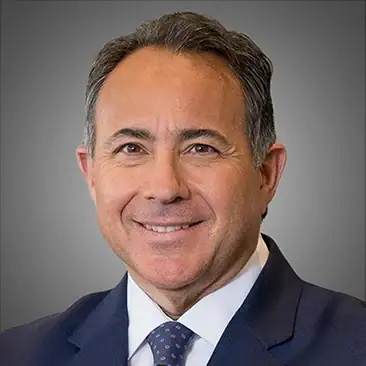
Patterson (right) is also the National Party’s candidate for the Rongotai seat and so there is a strong political agenda at work here, but the points he makes as an experienced tax and corporate lawyer add credibility to pronouncements of coming hardship.
Who are our future litigators? Take the Survey
“Proper cost-benefit and return-on-investment analyses are more important than ever,” he wrote.
“All Government spending should be tested for effectiveness – it is not just a case of adding on to what is already there. The 2020 Budget assumes pre-Covid-19 expenditure paths remain intact and Covid-19 expenditure is simply added on top.
“It is all of our futures that are about to be mortgaged. We will pay with future increased taxes and lower spending on core social services.”
“New Zealand will have to pay the piper eventually for the Government spend now, and the people who will pay are taxpayers – whether that’s workers or business owners. It is all of our futures that are about to be mortgaged. We will pay with future increased taxes and lower spending on core social services.”
He notes that there are no “easy targets” that can produce a $100 billion increase in revenue over the next couple of decades and that income tax increases are the only realistic option.
They will create pain for voters and provide a handbrake on economic recovery.
“Our headline 28 per cent corporate tax rate is already high by OECD standards and, although in the post-Covid world other countries’ cororate rates may over time increase, there is no real scope for large corporate tax rate increases without affecting our competitiveness.”
With looming unemployment at levels we have not previously seen, it is now the economy that will be the key election issue he says.
[adrotate banner=”85″]