
The #Metoo movement seems to follow Freshfields Bruckhaus Deringer like a very bad smell, but the latest issue involves a Freshfield’s woman partner whose conduct in respect of the investigation of a rape complaint involving a UBS bank employee has come under scrutiny from the Solicitors Regulation Authority (SRA).
The Financial Times reported that Freshfields employment partner Caroline Stroud was being investigated by the watchdog for her conduct in dealing with a review of the investment bank’s handling of a rape allegation.
Caroline Stroud is an experienced commercial litigator specialising in employment issues, including investigations of misconduct by regulators.
Freshfields said in a statement ‘We refute the allegations’, made against Stroud after she was drafted in by UBS to review the way in which the bank investigated a complaint of an alleged rape victim against a colleague.
Nevertheless, the SRA has seen fit to launch a probe into the allegations, but would not be drawn on the timeframe. A spokesperson for the SRA said: ‘We are investigating before deciding on any next steps. Our work on this matter continues, but we cannot discuss any details about our work while it is ongoing.’
The regulator is reportedly reviewing complaints that Stroud did not make her role in acting for UBS clear to the alleged victim, referred to as ‘Ms A’, something that the firm and Stroud apparently deny.

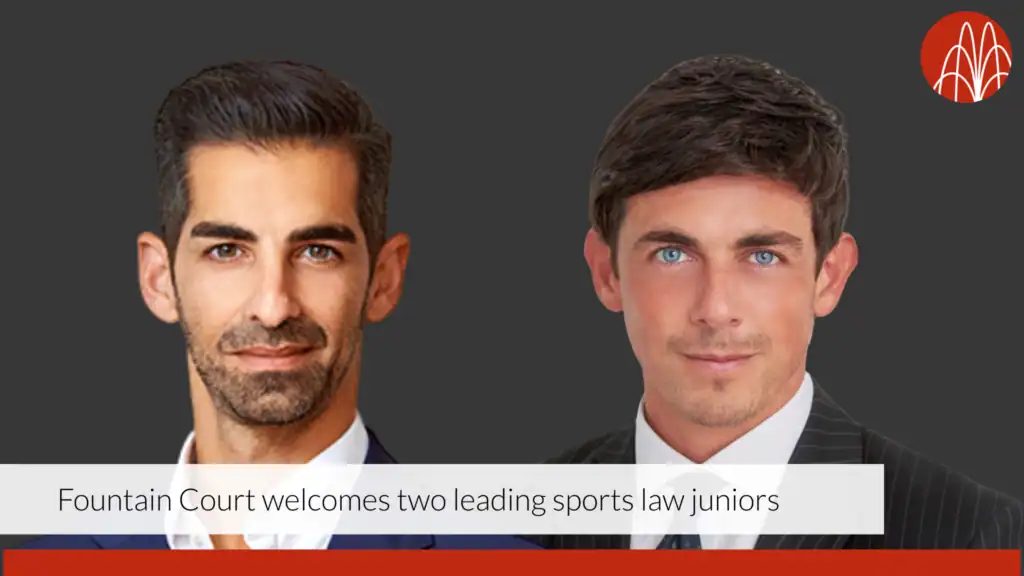
The #Metoo issue is something Freshfields would not be happy about following the issues involving partner Ryan Beckwith (pictured left) who last year was fined by the Solicitors Disciplinary Tribunal regarding inappropriate sexual conduct with a junior lawyer, which prompted the firm to reform is practices over the manner in which such behaviour is handled.
The growth of the #Metoo movement and the criticism faced by regulators has seen increasingly stern measures taken over the handling of complaints of this nature.
Freshfields, it seems, is once again at the forefront of #Metoo matters, just when it must have thought they were being left behind.
Latest Law Firm News From LawFuel
- Meet Scott Barshay – Paul Weiss’s New Chairman and Wall Street’s Most Prolific M&A Lawyer

 From Cravath Star to Paul Weiss Chair Ben Thomson, LawFuel contributing writer In one of the most dramatic… Read more: Meet Scott Barshay – Paul Weiss’s New Chairman and Wall Street’s Most Prolific M&A Lawyer
 - Brad Karp’s Paul Weiss Exit – When ‘Once in a Lifetime’ Evenings Come Back to Haunt You
 Brad Karp’s 18-year reign atop Paul, Weiss, Rifkind, Wharton & Garrison ended Wednesday night not with a bang, but with a carefully worded statement about “distractions.” Translation: the Justice Department’s release of millions of Epstein-related documents last week made his position untenable faster than you can say “conflict of interest.” The emails paint a picture that’s more uncomfortable than a BigLaw associate’s billable hours target. In July 2015, Karp thanked Epstein for “an evening I’ll never forget,” describing it as “truly ‘once in a lifetime’ in every way, though I hope to be invited again.” Epstein’s response? A promise of “many many nights of unique talents” and assurances Karp would “be invited often.” Spoiler alert: those invitations are now exhibit A in why being Chair of a white-shoe law firm and socialising with convicted sex offenders don’t mix well.
 - Anthropic’s Legal AI Plugin Triggers ‘SaaSpocalypse’ — $50B Wiped from Legal Tech Stocks
 Anthropic’s Legal AI Plugin Exposes the Vulnerability of the Legal Tech Emperor’s Wardrobe The legal software establishment just… Read more: Anthropic’s Legal AI Plugin Triggers ‘SaaSpocalypse’ — $50B Wiped from Legal Tech Stocks
 - Legal AI’s First Reality Check: What the Claude Shock Means for Law Firms
 AI-driven software stocks have slumped as investors suddenly re-price the risks and disruption posed by legal-focused models like Anthropic’s Claude. But for law firms, this is a reset, not a retreat, in the legal AI market. The money is shifting from “AI at any price” to “AI that can survive the coming copyright and compliance storm”—and that is clearly where serious firms should now be focusing. What Actually Happened in Markets The numbers are staggering. On 3 February 2026, a Goldman Sachs basket of US software stocks sank 6% in a single session—its biggest one-day decline since April’s tariff-fueled selloff. A parallel index of financial services firms tumbled almost 7%. The Nasdaq 100 Index fell as much as 2.4%. The trigger? Anthropic released new AI automation capabilities targeting legal, sales, marketing, and data analytics—sectors previously thought insulated from AI disruption. The carnage was immediate and global:
 - Why Was Jeffrey Epstein Trying to Get BigLaw’s Brad Karp Into Augusta National?
 The Augusta Connection: Why Did Jeffrey Epstein Want to Get Brad Karp Into America’s Most Exclusive Golf Club?… Read more: Why Was Jeffrey Epstein Trying to Get BigLaw’s Brad Karp Into Augusta National?
 - BigLaw Pay – Taylor Wessing’s Top Rainmaker Banks the Legal Equivalent of a Premier League Salary
 Taylor Wessing’s highest-earning partner managed to haul in a whopping £200,000 a week in the latest financial year — that’s roughly the same as a Premier League striker on a good bonus season. It highlights just how ludicrous top-end pay has become in London’s legal market. According to Law Society Gazette, the top-paid LLP member at Taylor Wessing managed to net that £200k-a-week haul as profits were dished out across the partnership. That kind of pay packet makes even the notorious Cravath scale seem almost modest. Sure, mid-market firms can cry “but we’re all about work-life balance,” but when your top partner’s annual take amounts to north of £10m, it’s hard not to feel the sting of disparity.
 - California Draws a Line on Legal AI And Lawyers Need to Pay Attention
 For years, lawyers have been quietly experimenting with generative AI while publicly pretending it was all very theoretical. That luxury just expired however has expired as the California passes a first-of-its kind bill that will doubtless be replicated in other jurisdictions. The California Senate has passed SB 574 aimed squarely at how lawyers use artificial intelligence in legal practice. If it becomes law, California will be the first major jurisdiction to formally regulate AI use by lawyers, not with vague principles, but with obligations that cut straight to competence, ethics, and liability. In short: lawyers can use AI, but they own the consequences. And that’s something many will find daunting given the hallucinations and legal repercussions of legal AI’s misuse.