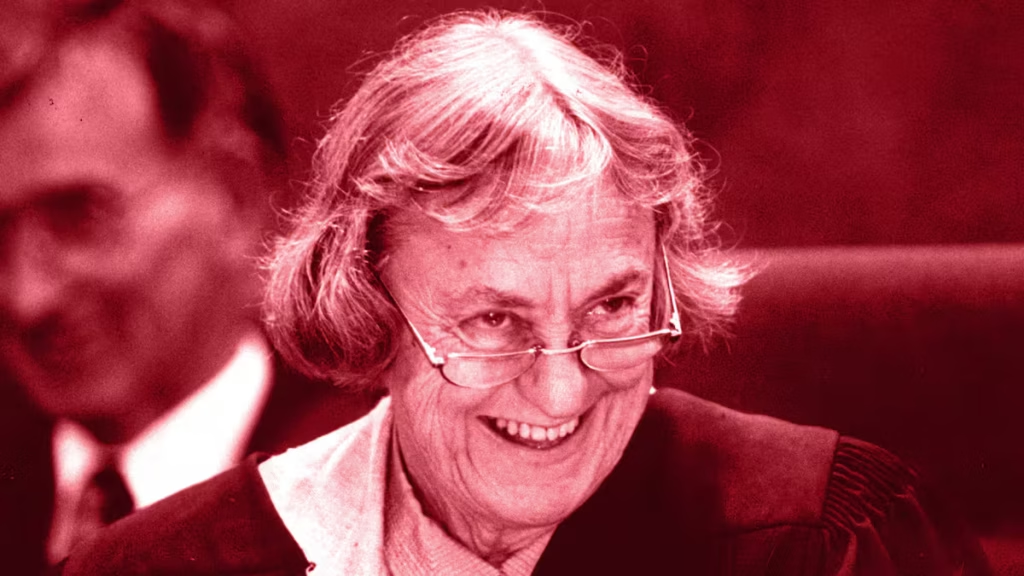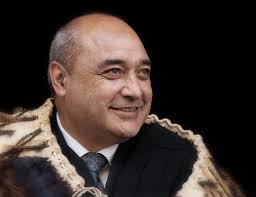

“..the justice system was beginning to consider the impact of colonisation on offence rates. .” Christopher Stevenson

A new defence lawyers group, the Defence Lawyers Association New Zealand, is the only such group set up solely for defence lawyers and will help lawyers deal with the challenges posed by the COVID-19 Pandemic.
The group’s co-founder, Christopher Stevenson, a barrister at Wellington’s Pipitea Chambers, said the site of prisons brimming with Maori was a “shameful sight” and had helped lead to the creation of the group, which wants to have a strong focus on the numbers of Maori in the justice system.
[adrotate banner=”90″]
“We want to be practical, we don’t just want to talk. Our intention is to be engaged and a part of improvements in the criminal justice system because defence lawyers see it first-hand,” he told RNZ.
The new DLANZ has a dozen senior lawyers from across the country working as a steering committee with a focus on helping deliver better results for Maori by working with Maori lawyers. It is unclear how the new Association might provide services not already provided via the New Zealand Bar Association, the long-standing association of barristers.
He said he was “heartened” that the justice system was beginning to consider the impact of colonisation on offence rates and utilising tools to mitigate this, like Section 27 cultural reports.
It is intended that the DLANZ would use the experience of senior lawyers, including QCs, to help younger lawyers to provide the necessary support to Maori and presumably non-Maori defendants.

Former Police prosecutor and now defence lawyer Echo Haronga, practising from Guardian Chambers, Auckland, is one of a number of Māori lawyers in the DLANZ’s steering group.
She told RNZ that the association would be a clear independent voice from specialist defence bar and a chance to make the Māori world view more common in courthouses throughout the country.
“Our senior bar are very, very skilled specialist trial lawyers but they don’t necessarily have an intercept with te ao Māori although a lot of the people they represent are disproportionately Māori.
“I’m really looking forward to trying to develop both a high level understanding from what the senior bar know about the criminal justice system and a platform for them to wānanga with us as to how the Māori dimension might be captured there.”
[adrotate banner=”85″]
Check the recent news on LawFuel
- How to Build a Strong Case for Municipal Worker Injuries in 2026: A Step-by-Step GuidePower Briefing: Ryan Injury LawImage generated by GeminiThe reality of municipal work is… Read more: How to Build a Strong Case for Municipal Worker Injuries in 2026: A Step-by-Step Guide
- Why Motorcycle Accident Injuries Often Require Complex ClaimsArticle source: Teague Law, Motorcycle injury law GAEllijay is known for its scenic… Read more: Why Motorcycle Accident Injuries Often Require Complex Claims
- How a Nursing Home Abuse Lawyer Proves NeglectArticle source: Schenk Nursing Home Abuse Law, GAAtlanta is known for its vibrant… Read more: How a Nursing Home Abuse Lawyer Proves Neglect
- Paul Hawstingw Launches Enhanced Brussels PresencePaul Hastings today announced the launch of its enhanced Brussels platform with leading… Read more: Paul Hawstingw Launches Enhanced Brussels Presence
- Is This The Billable Hour’s Last Stand? Anthropic’s Top Lawyer Thinks So

 The legal profession has survived recessions, regulatory upheavals and the occasional partner meltdown. But the next threat to BigLaw’s favourite revenue model may come from something far less dramatic. A machine that reads faster than any associate and which could spell the end of the infamous ‘billable hour’, which has been touted as being in its end time for some time. According to Jeff Bleich, general counsel at AI company Anthropic, (pictured) the traditional billable hour could soon be on borrowed time.