A capital raise that valued the World Cup’s commercial engine at $20 billion. A magic circle firm quietly hoovering up FIFA’s top litigators a fortnight earlier. One of those lasted a week. Guess which.
The battle for football’s future was supposed to be fought in Manhattan conference rooms, but it was over almost before it began and the only people who emerged unscathed were, as ever, the lawyers.
On 28 July, FIFA announced it wanted to sell as much as a 20% stake in a new wholly-owned subsidiary, FIFA Forward Enterprise (FFE), that would house its broadcasting, sponsorship, ticketing and licensing rights. J.P. Morgan pinned the implied equity valuation at around $20 billion. The raise could have brought in up to $4.2 billion and on paper, it was one of the largest commercial investments ever contemplated in world sport.
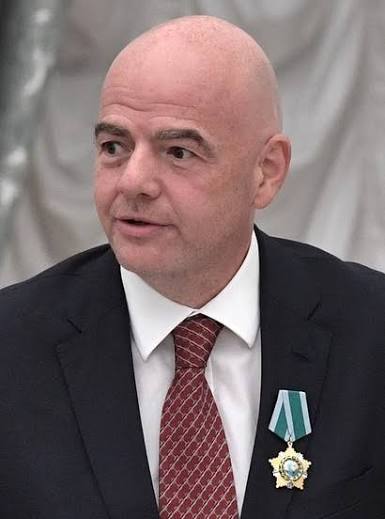
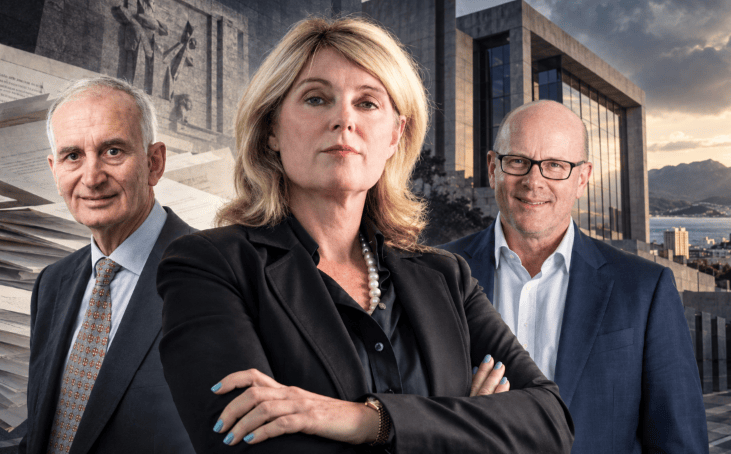
On 1 August, just seven days later, Gianni Infantino (left) scrapped it.
In between, football’s governing body managed to unite the sport in a way no World Cup ever has – against itself.
UEFA threatened that none of its national teams would play in any FIFA competition “for so long as these proposals remain alive.” Concacaf’s 41 members met and rejected the plan. The Asian Football Confederation piled in and senior adviser Carlos Cordeiro resigned in protest, calling it “a bad deal for football.”
FIFA’s own chief operating officer reportedly told the Associated Press he felt Infantino had deceived staff. Infantino tried to buy his way out by doubling the sweetener to member associations to $40 million each a day after launch. But that didn’t work. UEFA’s parting shot called the whole thing a “shabby, back-room deal.”
The Lawyer Who Got Out First
Two weeks before any of this, and with rather less fanfare, one of FIFA’s most trusted outside counsel changed his letterhead.
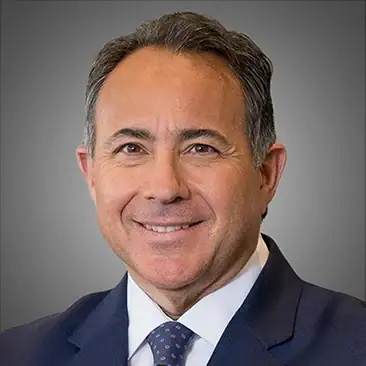
H. Christopher Boehning (pictured) left Paul, Weiss after more than three decades to join Linklaters in New York, effective 14 July, as Chair of its Global Sports Practice and US Strategic Disputes. He brought veteran litigator Daniel H. Levi with him, a 25-year Paul Weiss man who lands in Linklaters’ litigation, arbitration and investigations group.
The Boehning and Levi moves were not your standard “senior litigators leaves Paul Weiss” item. The fact is that Boehning is the lawyer FIFA calls when the stakes are existential.
His greatest hit, after the 2015 corruption scandal that saw more than 50 defendants charged, Boehning and Paul Weiss negotiated FIFA’s petition for remission and, in 2021, the US Department of Justice awarded FIFA and its confederations up to $201 million, money seized from the bank accounts of the very officials who had looted the game.
FIFA, in the eyes of the DOJ, was the victim, all of which was a very a neat trick of positioning that only a very good lawyer can pull off. Boehning also secured the dismissal of a landmark antitrust suit against the governing body.
At Paul Weiss he co-chaired the sports, international and insurance practices as well as chairing international arbitration, all of which were key indicators of a lawyer they wanted to retain.
Why Linklaters Wanted Them
For Linklaters, the hires are the latest proof of its US ambitions, demonstrated by the recent growth we reported here recently.
The firm has spent two years assembling a New York disputes bench with intent, including the George Casey-led M&A team out of the wreckage of Shearman & Sterling in 2024, a trial team under Adeel Mangi (with Muhammad Faridi, Diana Conner and George LoBiondo), and an international arbitration group led by Joe Profaizer.
Boehning and Levi bolt a marquee sports-disputes capability onto that platform overnight, and their book isn’t only football as the pair also act in high-stakes commercial disputes for clients including the biotech giant Regeneron.
The FIFA Timing
The key question is whether there is a timing between the decamping of FIFA’s disputes rainmaker and a fortnight later FIFA unveils, then abandons, the biggest commercial deal in its history. Surely there’s a connection?
There isn’t one on the record from what we can tell. No law firm was ever publicly named as FIFA’s transactional counsel on the FFE raise; the advisers on the record were financial with J.P. Morgan running the process, former Liberty Media chief Greg Maffei on the commercial architecture, and OpenEconomics courting investors.
Boehning is a litigator, not a corporate-finance partner, and clients don’t pack their bags because a lateral partner does.
But the episode is a near-perfect advertisement for exactly the capability Linklaters just bought. FFE didn’t die quietly, but died amid boycott threats, a public resignation, an internal revolt, confederation-level rejections and accusations of bad faith, which is the precise brew of governance, regulatory and cross-border disputes that keeps sports litigators employed. Smooth deals make money for corporate departments, but deals that explode in a week make money for people like Boehning.
The Sports-Practice Arms Race
The lateral raid landed in the middle of a genuine BigLaw land-grab. FIFA and the money now sloshing through global sport have made a dedicated sports practice a must-have, and firms are scrambling hard to make sure they’re in the game.
Paul Weiss itself only formalised its sports practice in October 2025, the same week it was named Official Law Firm of the New York New Jersey World Cup 2026 Host Committee, despite having advised the NFL and FIFA for years and having quietly worked on a string of the sector’s defining deals including WWE’s $21 billion combination with Endeavor in 2023 to form TKO Group; the launch of Apollo Sports Capital; Clearlake’s acquisition of Chelsea; Sir Jim Ratcliffe’s Trawlers vehicle taking 25% of Manchester United; and the sale of Angel City FC by Alexis Ohanian’s 776 to Willow Bay and Bob Iger.
Losing Boehning and Levi, then, stings twice as the firm built the shop window on sport law and watched two of its best-dressed mannequins walk to a competitor.

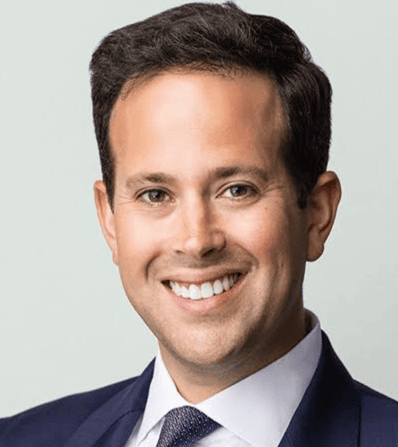
And the competitor list keeps growing. Paul Hastings has just launched its own global sports practice under Mark Zerdin, a recent Slaughter and May recruit. Simpson Thacher spent spring adding sports partners, including Michael Kuh from Hogan Lovells (pictured) and Eric Geffner from Sidley Austin. Everyone, suddenly, wants to be football’s lawyer, it seems.
The UEFA Lawyer
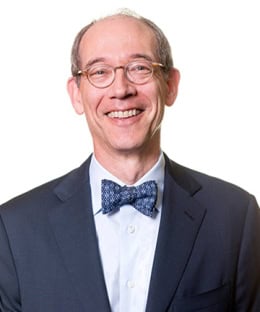
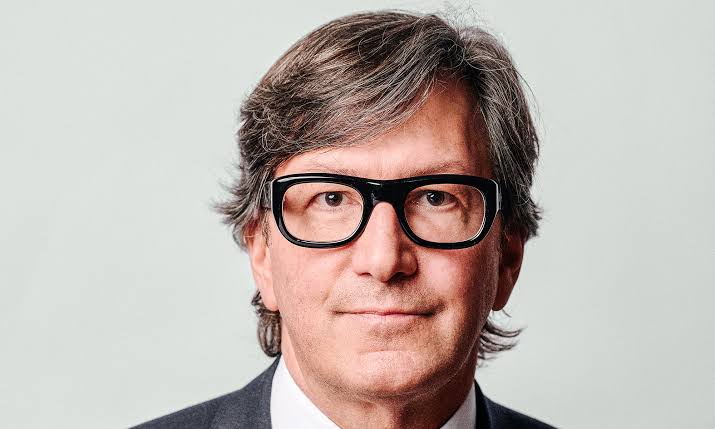
In a move that underscores just how seriously Europe’s governing body regarded Infantino’s Fifa Forward Enterprise gambit, Uefa has hired Dechert’s former chair, New York litigator Andrew Levander (pictured, right)
The bowtie-wearing Dechert veteran, who chaired Dechert from 2011 to 2023, has acted for a roll‑call of Wall Street and global business figures, including former Barclays chief executive Robert Diamond, former Merrill Lynch boss John Thain, Lehman Brothers’ outside directors and Michael Rigas. He also advised the Special Board Committee of Apollo during its 2020–21 investigation into the relationship between Apollo’s founder‑CEO and Jeffrey Epstein.
The Bigger Sports Law Picture
FFE may be dead, but the logic behind it isn’t going anywhere. Sports rights have become among the most bankable long-duration assets anywhere and private capital’s appetite for them is undimmed.
The expected lead investor in FFE was Thrive Eternal, a permanent-capital vehicle launched by Thrive Capital, the firm founded by Joshua Kushner (brother of Jared, advised by former Disney chief Bob Iger; Jared himself was not an investor).
The next FFE will be structured more carefully, consulted more widely, and lawyered more heavily.
Whatever comes next, the through-line holds: the lawyers who understand sports regulation, cross-border disputes and institutional governance have become some of the most valuable players on the pitch. FIFA just proved it by trying to sell the pitch, and failing, in a single week.
The whistle blew after seven days. But the legal work is only kicking off.