Article source: Moebes Law
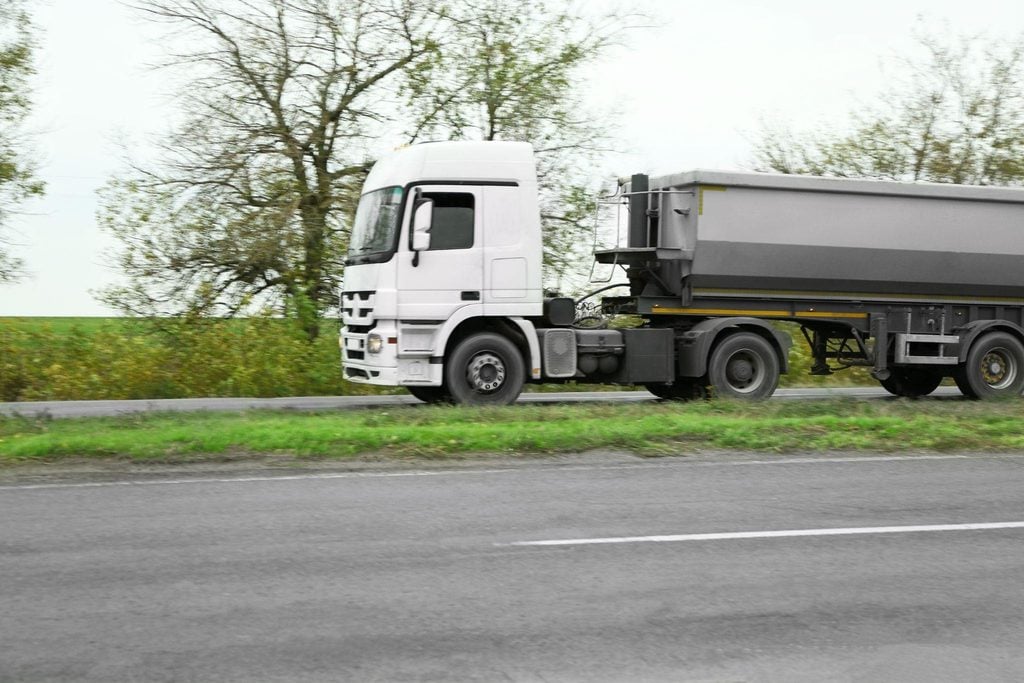
Truck accidents cause some of the most serious injuries on Georgia roads, largely because of the size and weight difference between a semi-truck and a passenger car. Figuring out who caused the crash is rarely simple, since a single truck accident can involve the driver, the trucking company, and even a cargo loader. Georgia law lays out specific rules for how fault gets assigned in these cases, and those rules often work differently than a typical car accident claim. Many people consult a truck accident lawyer in Atlanta once they see how many parties and rules are involved in a single claim.
Who Can Be Held Responsible for a Truck Crash
A truck accident rarely involves just one person’s mistake. The driver might have been speeding or distracted, but the trucking company can also be at fault for hiring an unqualified driver or ignoring safety complaints. Under OCGA § 51-2-2, an employer is generally responsible for the actions of an employee performing work duties, which is why the trucking company usually shares the blame.
Other parties can also carry responsibility, including the company that loaded the cargo or the shop that serviced the brakes. A thorough investigation often uncovers more than one responsible party, which can affect how much money is available to cover your injuries. Identifying every party early on gives you access to more than one insurance policy, which matters when the damages from a serious crash are serious.
Federal and State Safety Rules That Shape Fault
Truck drivers and trucking companies must follow strict safety rules that do not apply to regular drivers. Georgia adopts these standards directly under OCGA § 40-1-8, which brings federal trucking safety rules into state law. Breaking one of these rules often serves as strong evidence that the driver or company acted carelessly.
- Hours of service – limits on how long a driver can stay on the road without rest
- Vehicle maintenance – required inspections for brakes, tires, and lights
- Drug and alcohol testing – mandatory screening for commercial drivers
- Weight limits – rules on how much cargo a truck can legally carry
How Shared Fault Affects Your Truck Accident Claim
Trucking companies and their insurers often try to shift some of the blame onto the injured driver. Georgia follows a modified comparative negligence rule under OCGA § 51-12-33, which reduces your payout by your percentage of fault. If you are found to be 50 percent or more at fault, you cannot recover anything from the truck driver or the company.
A $200,000 claim, for example, drops to $150,000 if you are found 25 percent at fault. Because trucking companies have strong legal teams, they often push hard to raise your share of the blame.
Why Trucking Companies Carry Bigger Insurance Policies
Commercial trucks cause more damage than passenger cars, so the law requires trucking companies to carry much higher insurance limits. A truck hauling general freight must typically carry at least $750,000 in liability coverage, and that amount can climb to $5 million for hazardous loads. These higher limits exist because a serious truck accident can produce medical bills and losses far beyond what a standard car policy would cover.
Even with these higher limits, insurers still fight hard to protect their money. A company that manages the claim well can end up paying far less than the full value of your injuries. Knowing that these larger policies exist gives you a better sense of what a fair settlement should actually look like.
What Evidence Proves Fault in a Truck Accident
Proving fault in a truck accident depends heavily on evidence that disappears quickly if no one asks for it. Trucking companies use electronic systems to track speed, braking, and driving hours, and this data can either support or contradict the driver’s account. Getting this evidence early often makes the difference between a fair settlement and a denied claim.
- Black box data – records speed, braking, and impact details
- Driver logs – show hours worked and required rest breaks
- Maintenance records – reveal whether known problems went unfixed
- Dashcam footage – captures the moments leading up to the crash
Protecting Your Rights After a Truck Accident
A truck accident claim involves more moving parts than a typical car crash, from company policies to federal safety rules. Multiple parties, layers of insurance, and strict fault rules all play a role in how much you can recover, and each of those pieces takes time to sort out properly. Acting quickly to preserve evidence and understand these rules puts you in a stronger position from the start, before records disappear or memories fade. The sooner these pieces come together, the clearer your path to fair compensation becomes.