The ‘Made in USA’ Lawsuit Power Law Firm
Tom Borman, LawFuel contributor
“Made in USA” lawsuits have nearly doubled in just one year, hitting their highest level since at least 2011? A Wall Street Journal article highlights the law firm that is powering the lawsuit blitz, inspired by the Trump administration.
The definition of “Made in USA” is no longer just a marketing tagline—it’s a litigation trigger with real financial and reputational stakes for clients ranging from global conglomerates to boutique brands.
The Power Player Law Firm
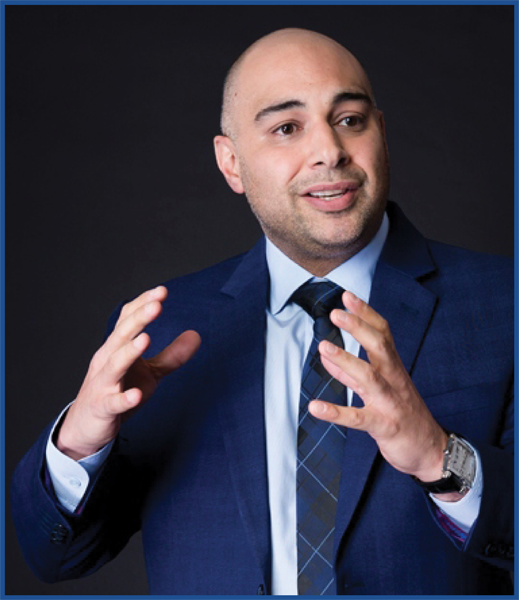
The driving force behind this litigation boom is Kazerouni Law Group, a California-based firm with a knack for sniffing out consumer protection angles.
Founding partner Abbas Kazerounian credits the Trump administration’s pro-domestic manufacturing rhetoric for energizing both consumers and the firm’s docket. “The American public has out and out said, ‘This is something that’s important to us,’” he told the WSJ.
- 13 proposed class actions over “Made in USA” claims have been filed so far in 2025, almost double last year’s total of 7, and already the most since at least 2011.
- Kazerouni Law Group is responsible for 10 of these suits this year, up from just one last year.
The Targets
Household names and everyday products are in the firing line, including:
- Goya Foods (seasonings and snacks)
- Procter & Gamble’s Mielle Organics (hair care)
- PepsiCo/Unilever’s Pure Leaf Teas
- McCormick’s French’s Mustard
- Dude Wipes (men’s toiletries).
- The lawsuits claim these brands misled consumers by touting “Made in USA” or “natural” labels while using foreign-sourced ingredients or components.
- For example, Mielle Organics is accused of marketing its haircare as American-made and natural, despite using synthetic additives and globally sourced ingredients.
- McCormick’s French’s Mustard, meanwhile, allegedly sources most of its mustard seed from Canada while claiming to be American-made.
Kazerouni Law Group actively advertises for plaintiffs and leverages its reputation in consumer labeling litigation. All cases are handled on contingency, so the firm only gets paid if there’s a win or settlement.
Settlements can be modest for consumers (think $5 vouchers in the Olaplex case), but legal fees can be substantial—Kazerouni’s firm requested over $1 million in fees in the Olaplex settlement, while a separate Bigelow Tea verdict saw plaintiffs request $4.7 million in attorneys’ fees after a $2.36 million jury award.
The Stakes for the Legal Industry
Out of 80 “Made in USA” class actions since 2011, only five have been dismissed, and no jury has ruled for the defense. That’s a plaintiff-friendly track record that should make defense counsel sit up straight.
Regulatory Gray Zones
Litigation often turns on the nuances between “built,” “assembled,” and “manufactured”—words that sound similar but have very different legal implications. As one commentator put it, “It gets into PR and marketing word games”. Until regulators or courts clarify these definitions, expect more suits and more risk.
Brands Are Already Changing Course with some companies have quickly tweaked their marketing to avoid legal exposure. Stellantis, the maker of Jeep and Ram, revised ad copy to avoid “built in America” claims after a warning letter1.
Why Should Lawyers Care?
- For litigators, these cases are a growth sector, especially for firms with consumer protection chops.
- For everyone else: The “Made in USA” label is now a legal minefield, not just a patriotic flourish.
This isn’t just another round of “liberal, hippy-dippy” lawsuits, as some critics claim. With courts, consumers, and even conservative free-market advocates taking these cases seriously, “Made in USA” litigation is now a frontline issue for brands and their lawyers, one that’s likely to shape both compliance strategies and courtroom battles for years to come.