Ben Thomson, LawFuel contributing editor
It has been a year — twelve months of watching the most powerful law firms on the planet twist in the wind at the pleasure of a sitting president. And just when it looked like the drama had finally resolved itself, Washington reminded everyone that in this administration, nothing is ever quite over.
On Monday, the Trump administration quietly announced it was abandoning its executive orders against Jenner & Block, Perkins Coie, WilmerHale, and Susman Godfrey — four firms that had the nerve, and the litigation chops, to fight back. All four had beaten the orders in the lower courts.
By Tuesday morning, the government had filed a motion to withdraw Monday’s filing. It does, in fact, want to appeal. No explanation was offered for the reversal.
The whiplash has done something rather convenient for the eight firms, among them Paul Weiss, Skadden, and Latham & Watkins , that struck deals with the White House worth a combined $940 million in pro bono commitments to sidestep punitive orders entirely.
For a moment on Monday, those deals looked like expensive insurance policies purchased against a threat that no longer existed. By Tuesday, however, the threat was back.
New York’s Cadwalader, Wickersham & Taft sits squarely in that group, having pledged $100 million in pro bono legal services to White House-favoured causes, a commitment whose current status remains opaque.

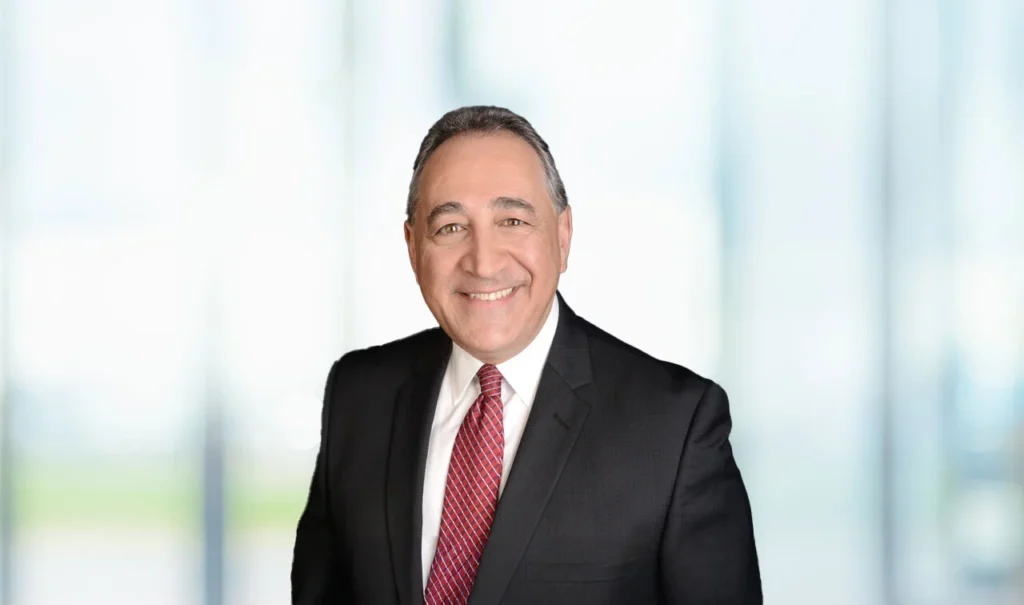
Enter Miguel Zaldivar, CEO of Hogan Lovells, which is set to merge with Cadwalader later this summer. Before Tuesday’s U-turn, Zaldivar welcomed Monday’s apparent climbdown with the measured warmth of a man who had navigated his own uncomfortable proximity to the controversy.
Hogan Lovells was never hit with a direct executive order, but it did appear on the EEOC’s list of twenty firms asked to account for their diversity, equity and inclusion practices, a process Zaldivar describes as having gone rather well.
“This is a blessing for the industry,” he told the Financial Times. “I think this is great for the peer firms. But I knew that given the opportunity to explain who we are — which I did with the EEOC — the government was not going to make Hogan Lovells a target.”
That is a confident read. Perhaps a justified one. But the sentence worth lingering on came when Zaldivar was asked whether Cadwalader had actually discharged its $100 million commitment. He replied that he had “no idea” and had taken a “don’t ask, don’t tell approach.”
A follow-up statement clarified that both firms remained “committed to pro bono work,” and that the legacy Cadwalader partners would address their firm’s commitment “in a way that’s consistent with our values.” Cadwalader itself declined to comment.
That combination, a CEO who doesn’t know the state of a nine-figure commitment his merger partner made, and a firm that won’t discuss it, is the kind of governance opacity that would draw sharp questions in any other context. In the current climate, it may simply be the price of survival.
The broader story here is not really about any one firm. It is about what the past twelve months have revealed about institutional courage, commercial calculation, and the limits of both. Some firms fought while others wrote cheques. The government, for its part, can’t seem to decide what it wants to do with either group.