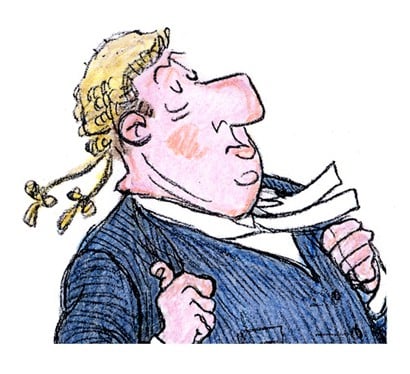
Jenna Shay – The English Bar has long been regarded as as bastion of some of the brightest lawyers in the country, but no more, it would seem. Instead, a recent report referred to the ‘culture of fear’ at the bar and the bullying and harassment that occurs.
A new report from the UK Bar Standards Board has suggested that bullying,
discrimination and harassment is an issue for many at the Bar.
The report said “barristers who are female, BAME, LGBT or those having a declared disability particularly likely to suffer from experiences of workplace bullying, discrimination and harassment.”
[adrotate banner=”106″]
The bar’s unique framework means that pupil barristers are self-employed and also dependent on clerks for their work and without any super-imposed management that might properly ensure such behaviour could occur.
“When I was a pupil I was really bullied in chambers by my supervisor – every piece of work I did wasn’t good enough. I’d be shouted at because I left the pub at 10 o clock rather than 11pm” (Barrister)
The Pupillage Problem
Junior barrister in the pupillage situation are at their most vulnerable, the report said.
The report noted: “The perceived lack of clear, anonymous and supportive formal and informal pathways to reporting was another barrier. Many barristers did not have access to HR professionals or similar forms of support, and those outside of chambers were often managed by someone who was not well-versed in the legal profession, who participants felt did not fully understand their needs and concerns.”
The study appeared somewhat limited given that it involved 35 telephone interviews conducted with 30 barristers, and five non-barristers, who had directly experienced or observed discrimination and harassment at the bar.
But it was enough to garner evidence of discrimination and bullying that many at the bar would no doubt denounce as unrepresentative of general Bar behaviour.
“I was barely marketed since I’ve been in chambers – we hired a south Asian woman as our marketing manager. She took me in for a meeting and I was so grateful – she said that ‘you are the only BAME woman in chambers and we can market this. Let’s celebrate this and approach the Indian journals and the south Asian business networks.” (Barrister)
One respondent said that they were brow-beaten for leaving the pub too early – at 10pm – while another commented: “I was aware of a pupil barrister who was sexually harassed by a senior member of chambers,” another respondent recalled. “This happened at least once a week.”
Another comments on offensive remarks about her chest. “I was deeply upset about it but wasn’t going to say anything about it,” she said.
An earlier report in 2018 found that bullying at the bar was up by was up 5 per cent, with 21 per cent of employed and 12 per cent of self-employed barristers reporting that they had personally experienced mistreatment at work.
The power imbalance between the pupils, Heads of Chambers and clerks and others who dictate who will receive work and know it will be undertaken has created major professional and behavioural issues at the bar, which is largely based upon the unique nature of the bar and the way it operates.
“He [senior clerk] was an individual who sought to control every aspect of chambers by bestowing on certain people the good work and therefore controlling chambers. He was sexist, racist, had very stereotypical ideas about how a barrister should be or act. Within 2 years the whole chambers collapsed because of him. He was trying to control the profile of
chambers – if he didn’t want someone there he would starve them of work. I was forced to go on multiple secondments…individuals who weren’t perceived to fit his model were forced out… supported by the powers that be in chambers.” (Barrister)
The report also noted that according to the Association of Women Barristers undertaken in 2019 there is a “culture of fear” around reporting bullying, harassment or discrimination exists at the Bar, with many barristers
being afraid to speak out against discrimination, harassment or bullying due to fear that it would harm their careers or that they would wind up being victimised by seniors in chambers or by their peers.
Although law firms have worked hard to create a more gender-friendly atmosphere with anti-bullying programmes and practices, the bar has remained largely outside the scope of the overall efforts to control such behaviour within the legal profession, both in the UK and in other major jurisdictions where there are significant bar associations like Australia, Singapore and New Zealand.
[adrotate banner=”107″]