
Criminal barristers in Australia are quitting the bar as a result of the loss of work caused by the pandemic, according to a report in Melbourne’s Age newspaper.
Criminal Bar Association chair Daniel Gurvich, QC, told the newspaper that there was a “profound and fairly devastating” impact on his profession, with young barristers disillusioned by their future prospects and the criminal justice system facing years to recover.
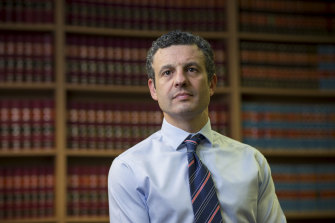
“Almost all criminal barristers, irrespective of their experience or years at the bar, have had a reduction of briefed work, and about two-thirds of our members have had their work cut by more than half,’’ Mr Gurvich told The Age.
“I’m deeply concerned about our most junior members because they are the most vulnerable and won’t be able to cover the expense of chambers and will be disillusioned with life at the criminal bar.’’
The situation regarding criminal barristers is similar to that seen in other jurisdictions like the UK.
An Australian Criminal Bar Association survey of members highlighted the work differences with almost 70 per cent of the respondents working more than 40 hours per week before the pandemic saw 65 per cent now working fewer than 20 hours per week. Only 5 per cent of criminal barristers have enough work for full-time hours.
The Age reported that the financial implications are bleak for the barristers, with about two-thirds reporting the loss of more than half their usual income.
One in six barristers said they were likely or extremely likely to stop practising temporarily to find other work to pay their bills, while 9.4 per cent said they were likely to quit the bar altogether.
The dearth of criminal law work has prompted Adam Chernok, a junior barrister who should be entering the most productive years of his career, to swap his robes for a wetsuit and go surfing.
He said the financial woes facing barristers such as himself was devastating both for the barristers and their clients – in both the short- and long-term.
New Zealand Situation

The situation in New Zealand is different, according to NZ Bar Association President Len Anderson QC who told LawFuel that he ws unaware of criminal barristers leaving the Bar.
“The absence of trials (and in particular jury trials) has affected income but the government assistance has been welcome and utilised by those lawyers suffering a significant decrease in income,” he said.
“There have been some gains during the lockdown including the increased use of AVL, particularly in relation to communicating with clients in prison.”
Leave your views on the situation, or email us at lawfuel@gmail.com
[adrotate banner=”94″]
Recently on LawFuel
- Slaughter And May Still Rules London’s Listed Market. The Problem Is The Market Is Shrinking


- Sports Law Professor: NBA’s Clippers Penalties Send Clear Message — Teams Can’t Buy Their Way Around Salary Cap

- NZ Law – Anthony Harper Joined by Litigator Cecil Hanafin

- Meredith Connell Clean Up On Fees in Tauranga Landslide Legal Defence
 Ratepayers across Tauranga are picking up a legal and professional advice bill exceeding $1.2 million in the aftermath of the fatal Mauao (Mount Maunganui) landslide, highlighting the mounting exposure and legal complexities facing local authorities in disaster response. Figures presented to the Tauranga City Council (TCC) reveal that responding to the tragic 22 January 2026 slip, which claimed six lives at the Mount Maunganui Beachside Holiday Park, has so far cost more than $5 million from the council’s $7 million emergency risk reserves. Of that, professional advice and legal review expenses have rapidly spiralled past $1.7 million, with external counsel and legal support alone accounting for well over $1.2 million.
 - Big Law Firms Have Been Keeping the AI Savings – Now Wall Street Wants Them Back
 Goldman Sachs, Morgan Stanley and Citi are asking a rather uncomfortable question of their outside lawyers: if AI is making legal work faster, why aren’t the bills getting smaller? Power Points Goldman Sachs, Morgan Stanley and Citigroup are pushing major law firms to demonstrate how AI efficiencies are being reflected in their legal bills. Citi has begun asking firms bidding for work to explain their AI-related savings, while Morgan Stanley is moving much of its outside legal work toward competitive bidding and alternative fee arrangements. The pressure goes directly to the BigLaw leverage model, where armies of associates traditionally generated large volumes of billable hours. New LexisNexis research shows 94 per cent of lawyers now use AI for legal work and 55 per cent expect AI to change law firm billing. The battle is shifting from whether lawyers should use AI to a much more interesting question: who gets the financial benefit? For the past few years BigLaw has been enthusiastically telling anyone within PowerPoint range that artificial intelligence will transform legal practice and clients have been listening.